How to redact a PDF properly
We hid the private details in a statement four different ways, then tried to get them back. Black boxes and a scanned copy gave up every detail. Only one method left nothing behind.
Guides to file formats, PDFs, video, audio and keeping files private. Most of them start with a test we ran on real files, so the advice comes with numbers.
We hid the private details in a statement four different ways, then tried to get them back. Black boxes and a scanned copy gave up every detail. Only one method left nothing behind.
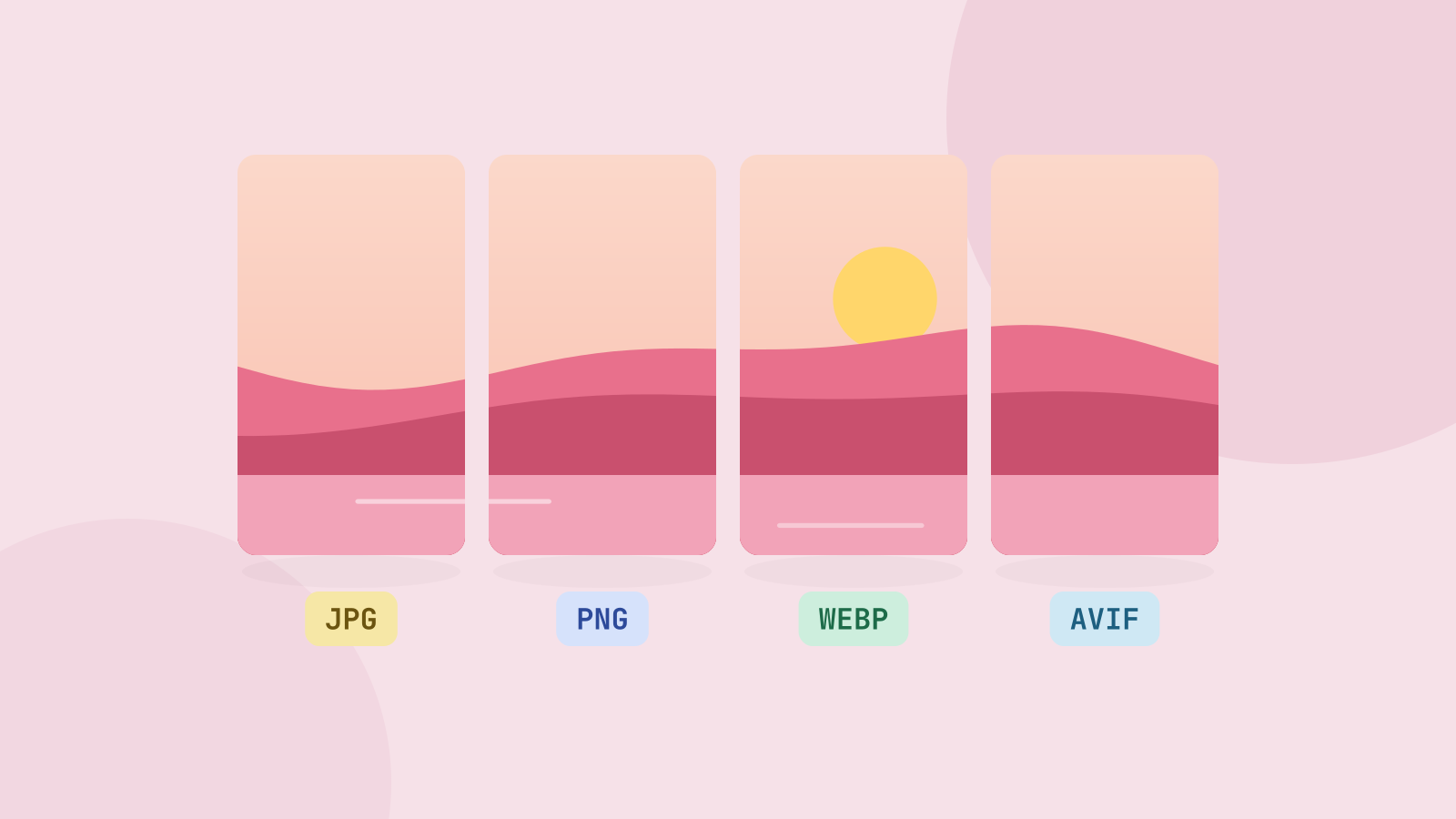
We saved six photos and a graphic in all four formats at the same visual quality and compared the sizes. The newer formats win on photos by a wide margin, but each format still has a job.
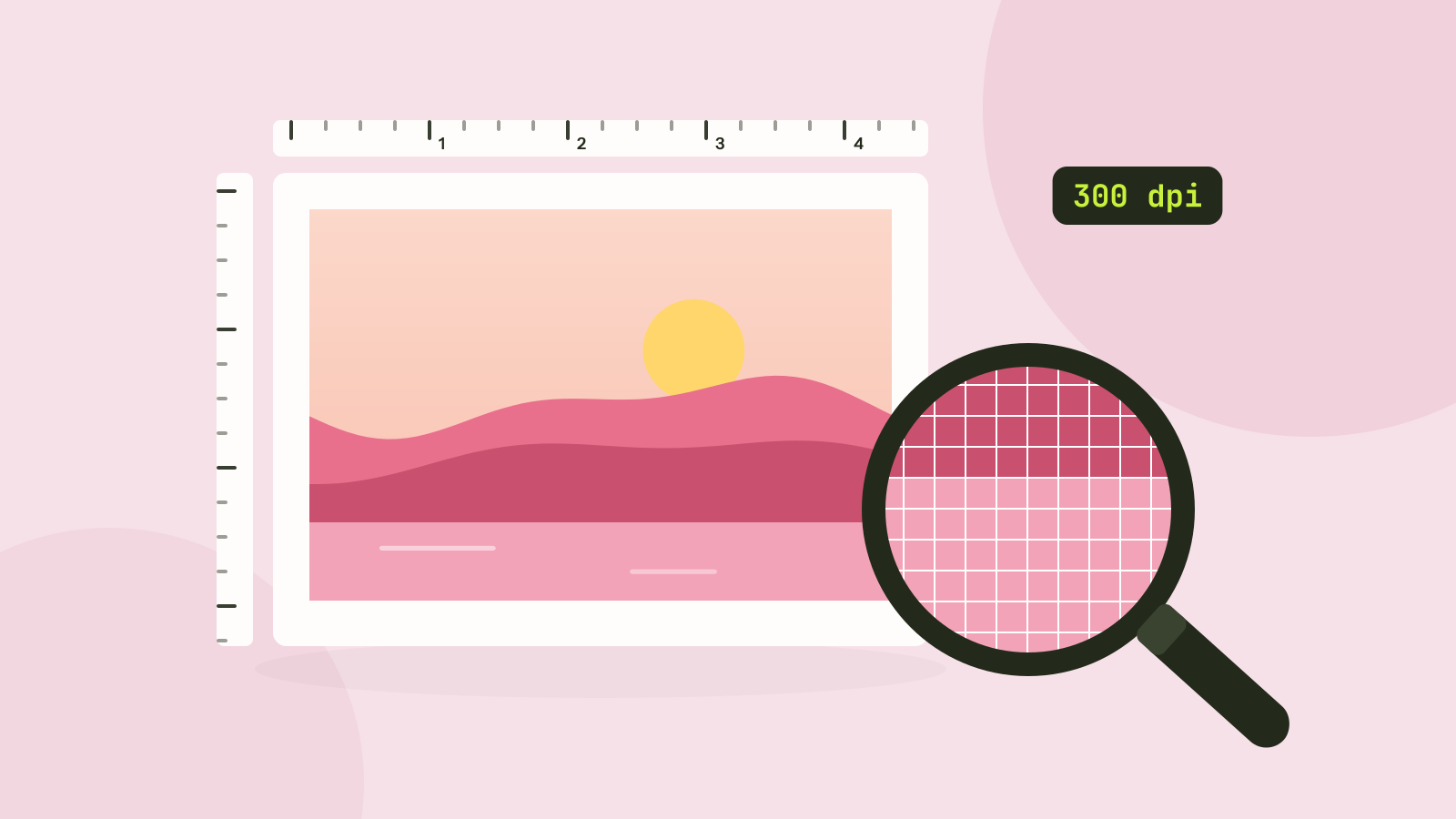
Upload forms ask for 300 DPI, print shops for high resolution, and phones save 12 megapixel photos. We tested what the DPI number really does, how file size follows pixel count, and how many pixels each use actually needs.
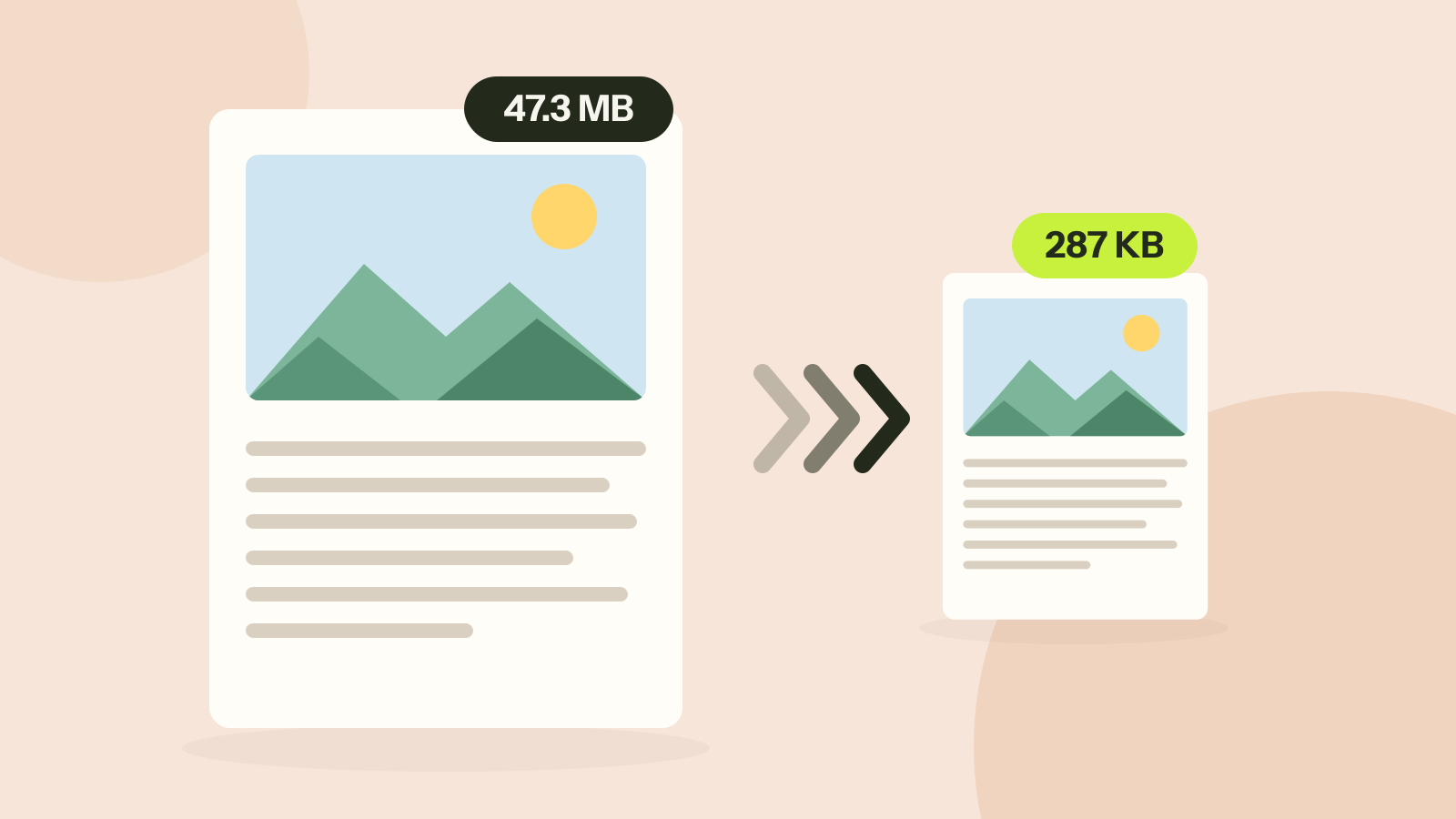
Compressors either shrink the pictures inside a PDF or turn every page into a picture. We ran both on three kinds of documents. One method took a 47 MB brochure to 287 KB with every word intact; the other made a text report five times larger.
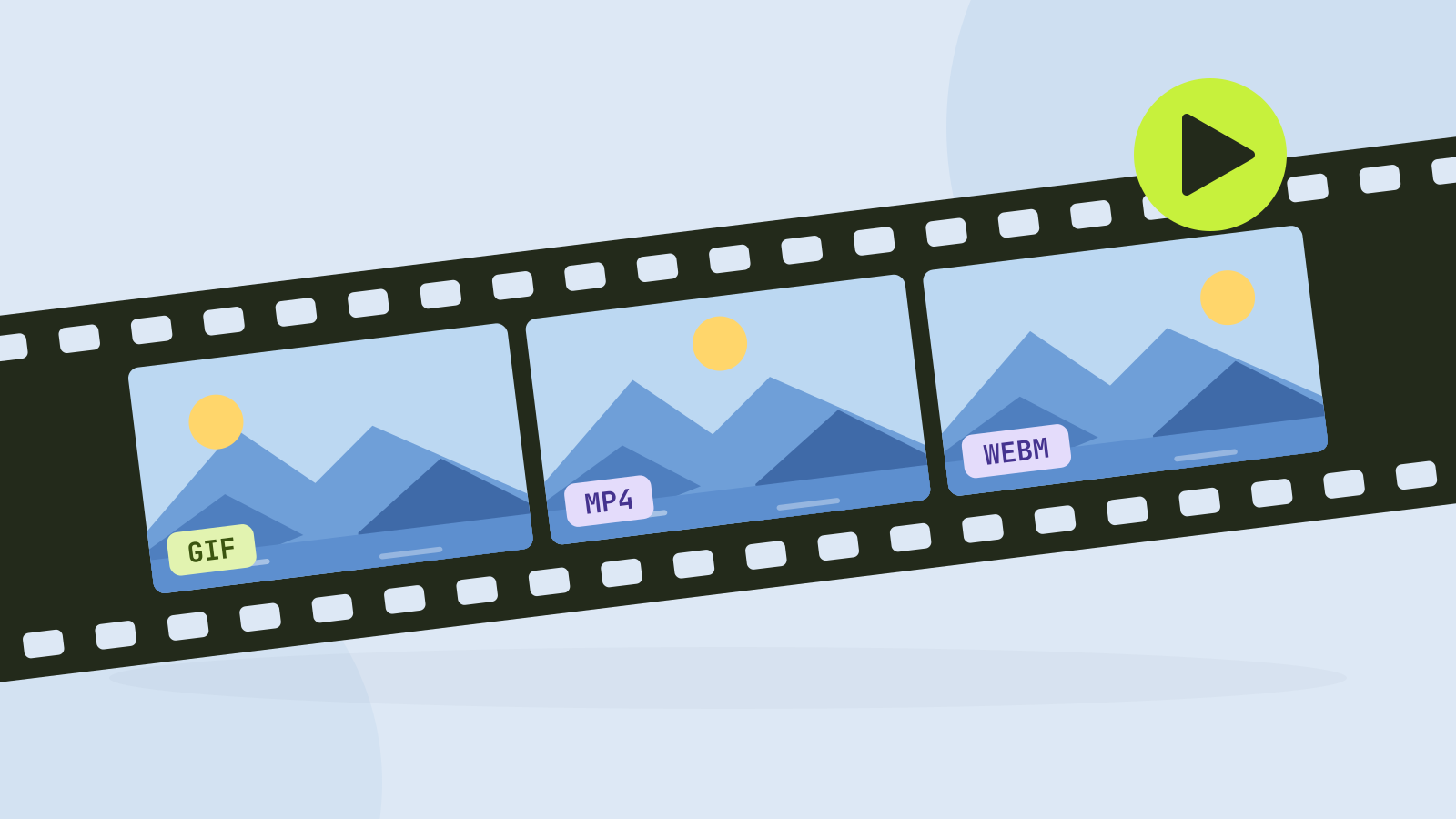
We turned a camera clip and a screen recording into a GIF, an MP4 and a WebM at the same size. The GIF was up to 16 times larger and still looked worse. Here is why, and when a GIF is still the right choice.
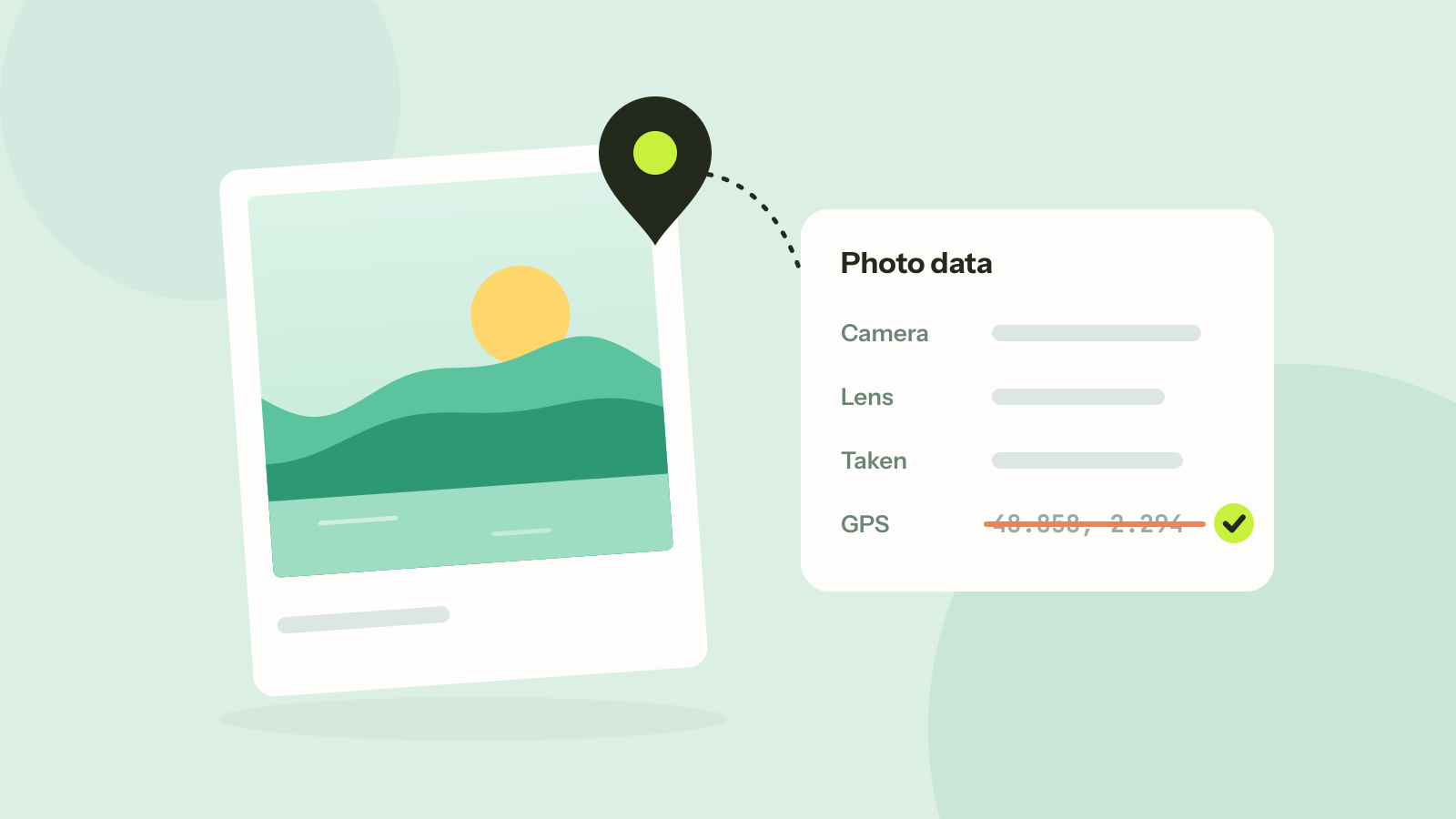
Every photo carries hidden data about the camera, the time and often the place. We read what nine published photos still gave away, added a location to show how precise it is, and checked that removing it leaves the picture untouched.
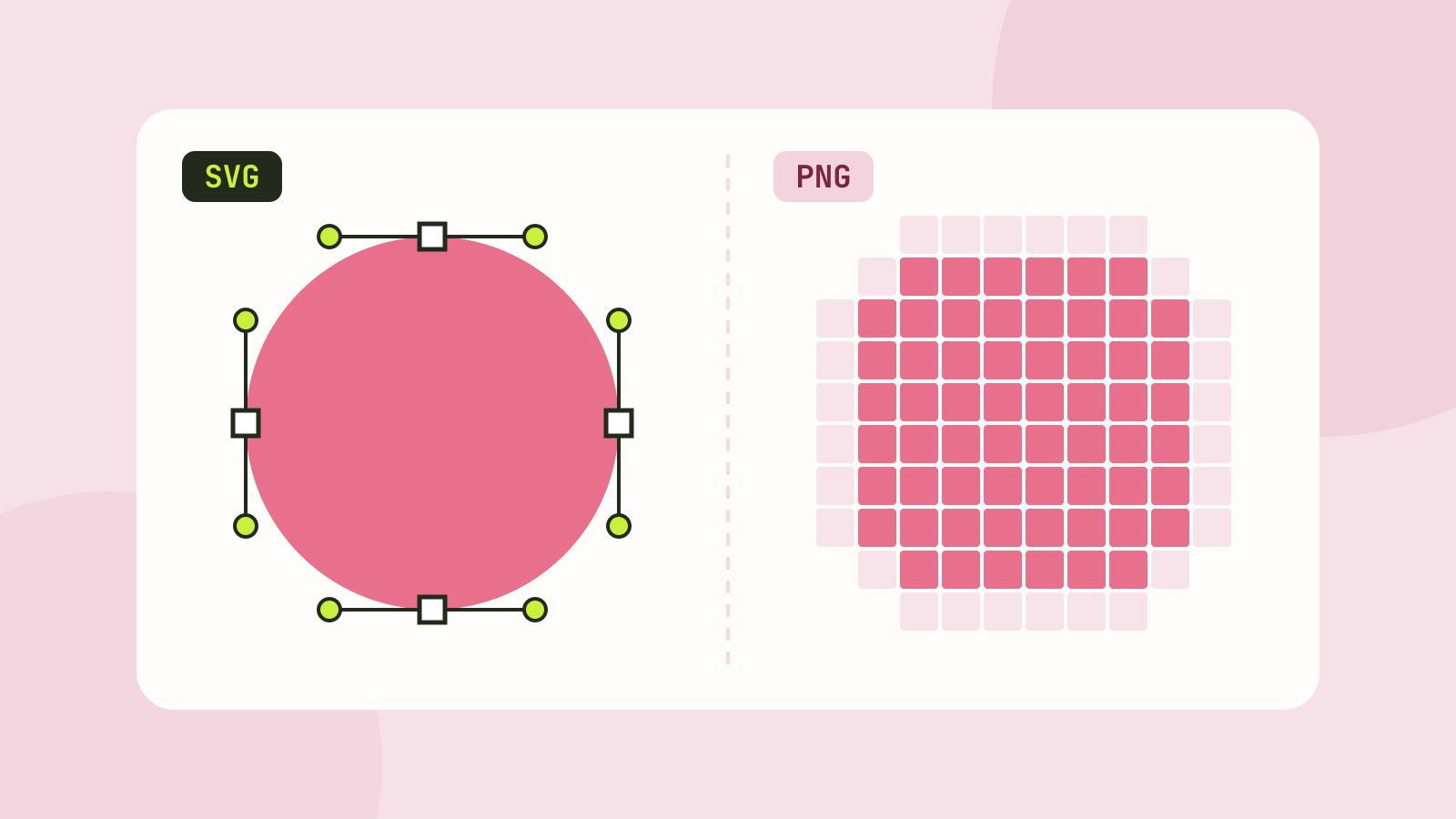
SVG stores shapes and PNG stores pixels, and that decides which one fits a job. We measured five SVGs of very different complexity against PNG copies at four sizes, and traced a logo, a seal and a photo back to SVG.
Password strength is about how many passwords could have been chosen, not how complicated one looks. We worked out how long common kinds of passwords hold out against a modern graphics card, and why the ones people invent fall first.
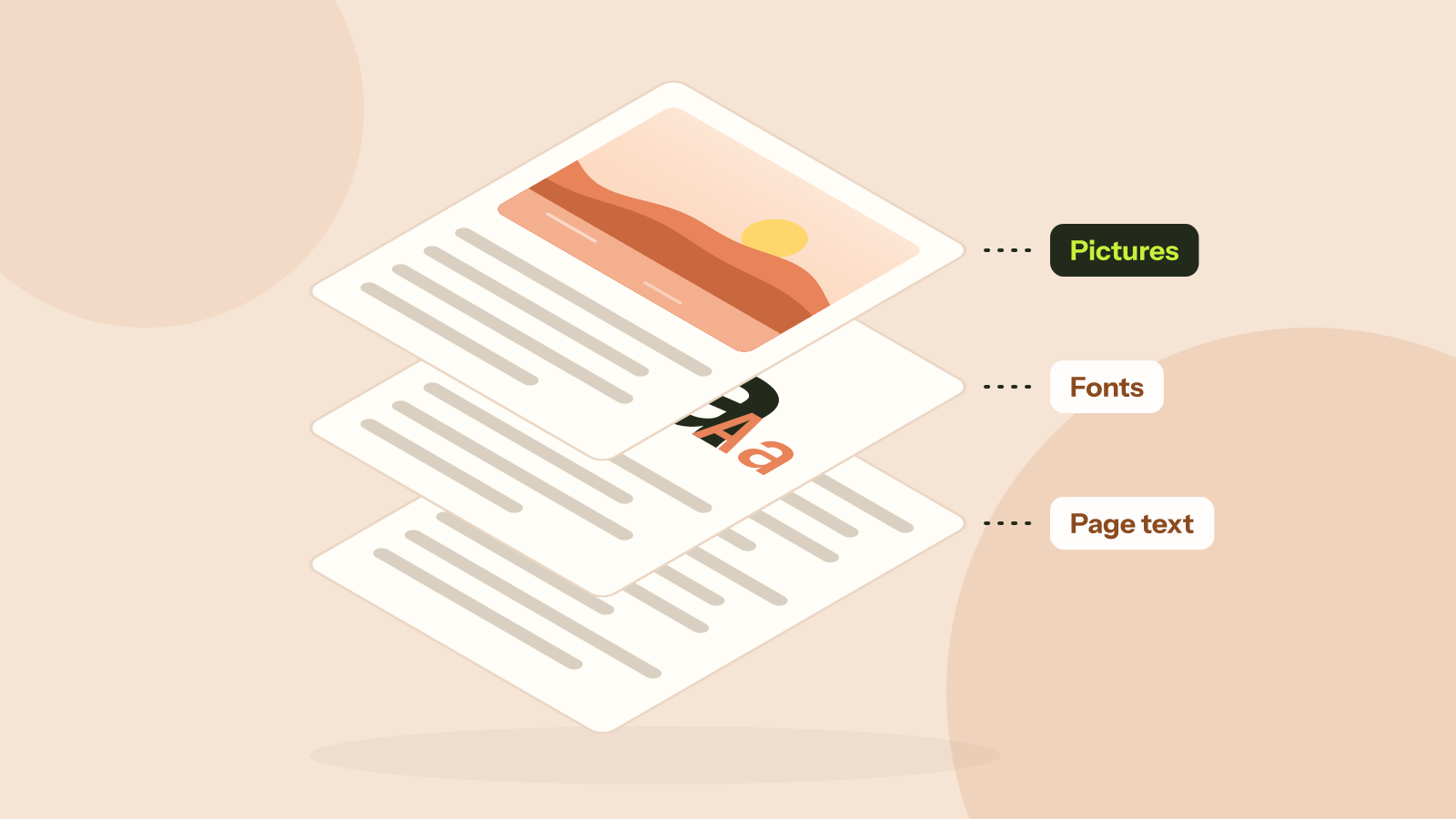
Two PDFs with the same number of pages can differ in size a thousand times. We took five real kinds of PDF apart and measured what fills them: photos, scans, fonts or drawings. Each cause has its own fix.
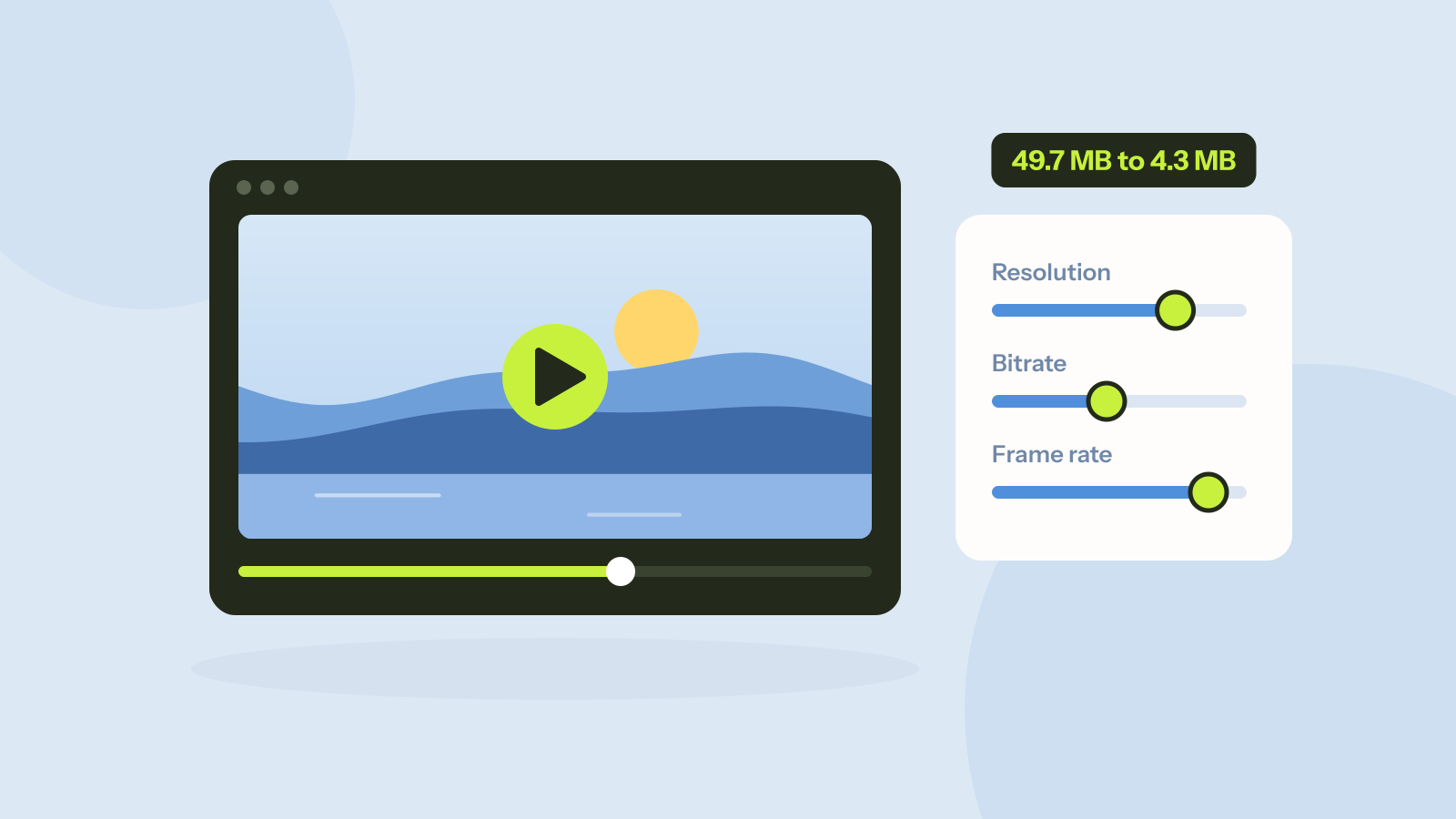
A video's size is its bitrate times its length, and every setting works through that. We compressed two full HD clips at every setting and measured the size and quality of each result, including the usual advice to lower the resolution.
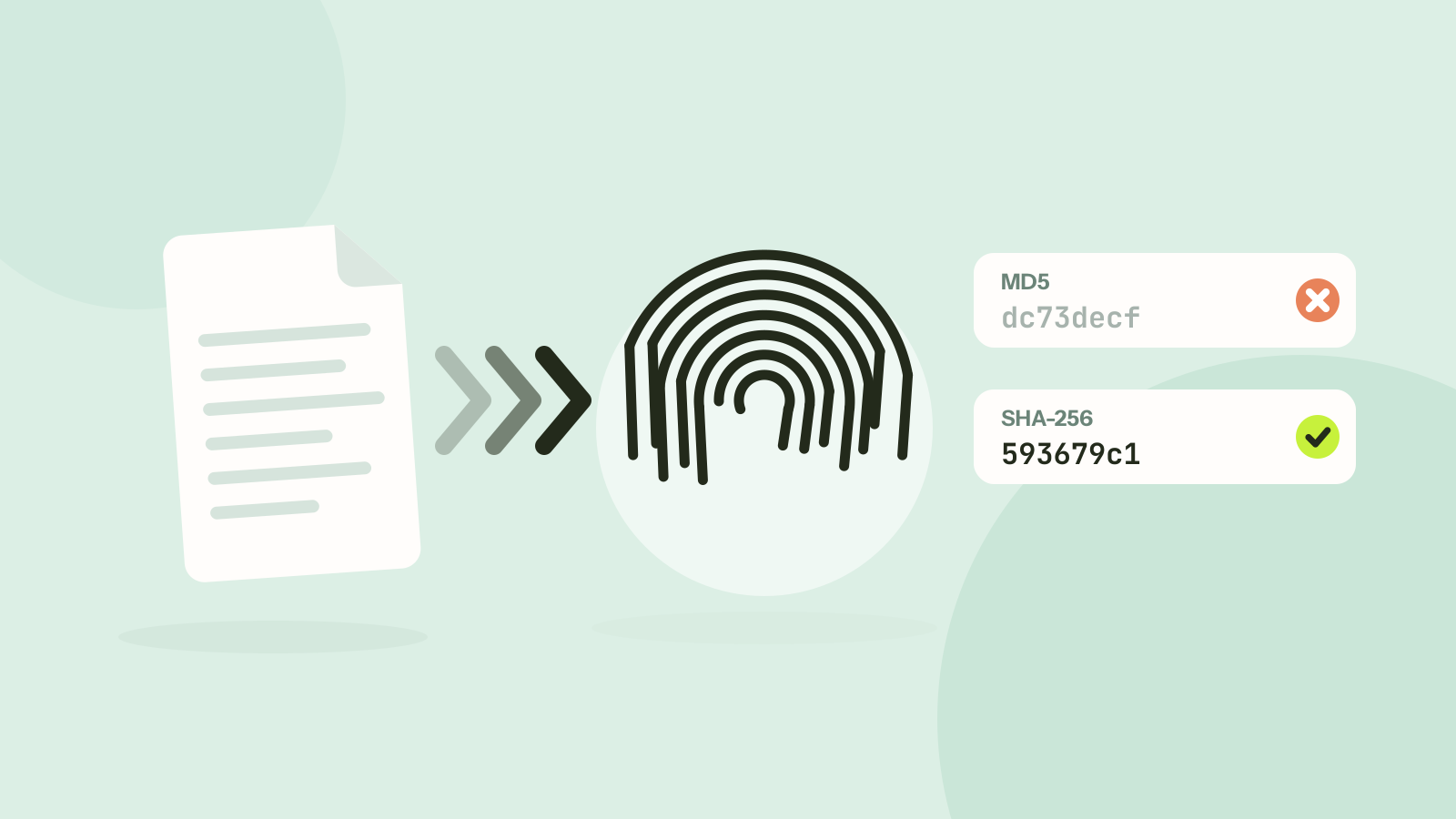
MD5 and SHA-256 both turn a file into a short fingerprint, but only one of them can still be trusted when someone might be trying to fool you. We timed seven hash functions and looked at what "broken" really means.
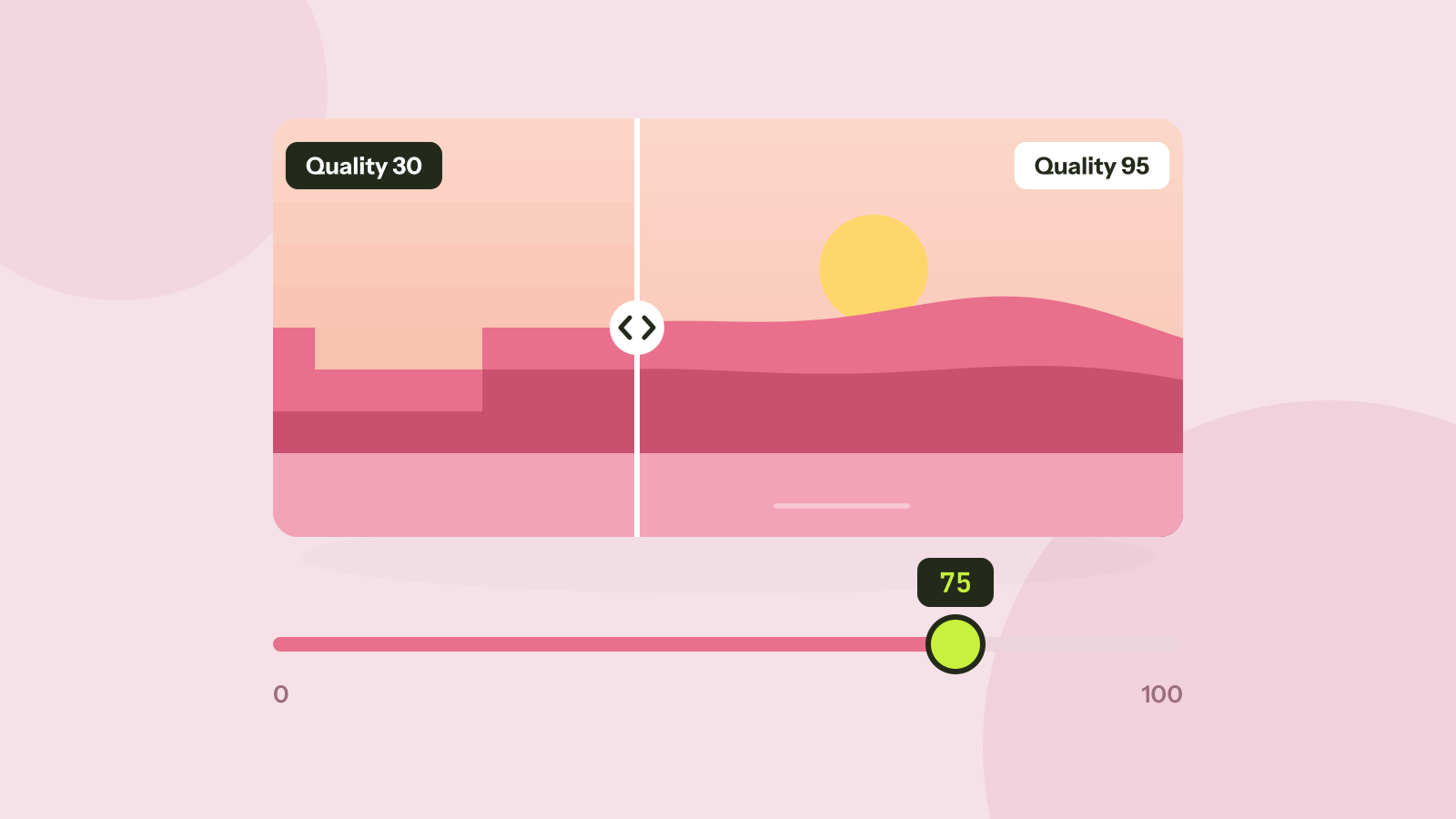
Every program that saves JPEG asks for a quality from 0 to 100, and the trade between size and quality is far from linear. We saved six photos at twelve settings and measured what each step changes.
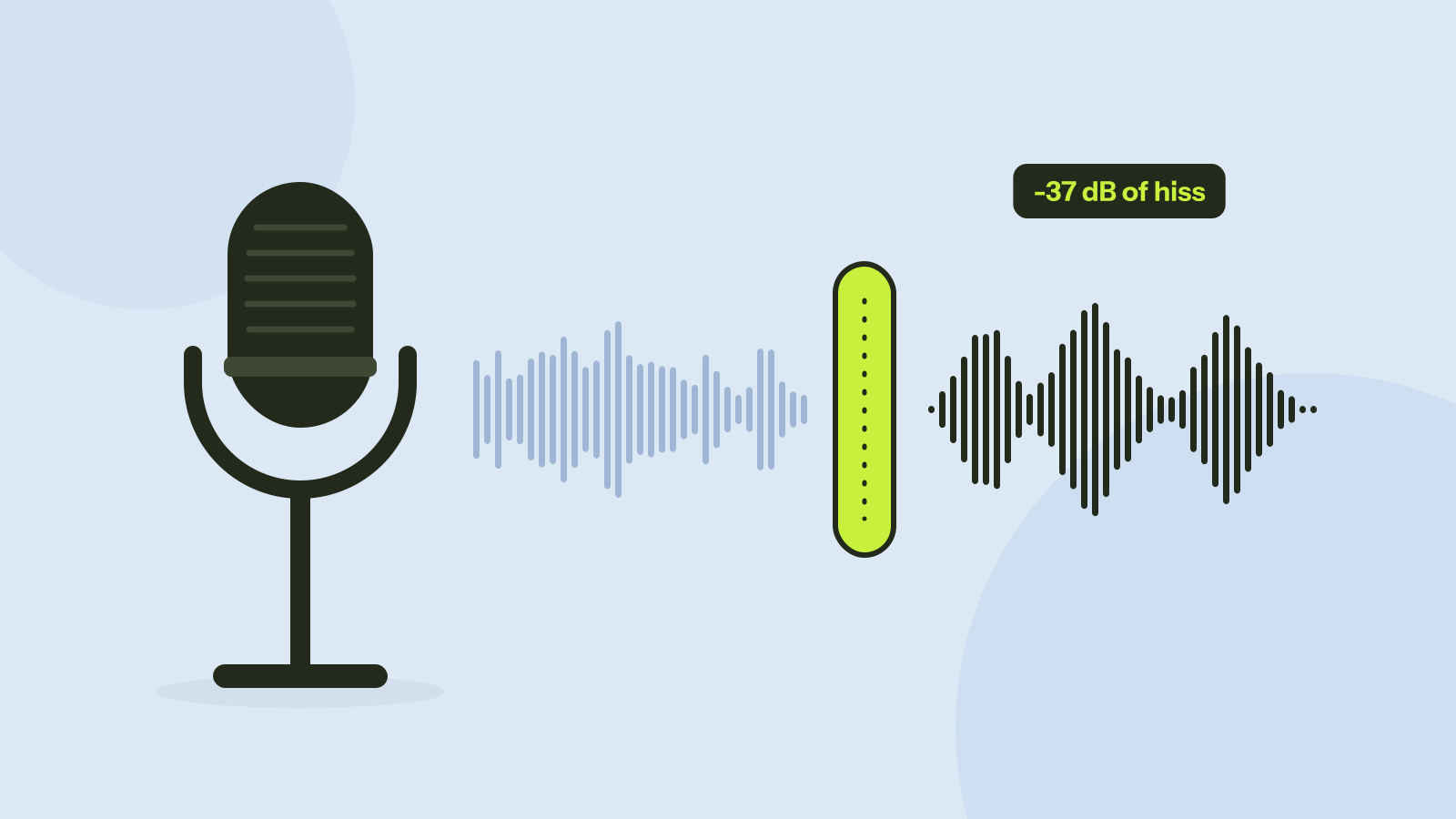
We mixed five kinds of noise into real recordings of people speaking and cleaned them with a small neural network that runs in the browser. Steady noise almost disappeared. Sudden sounds and music were another story.
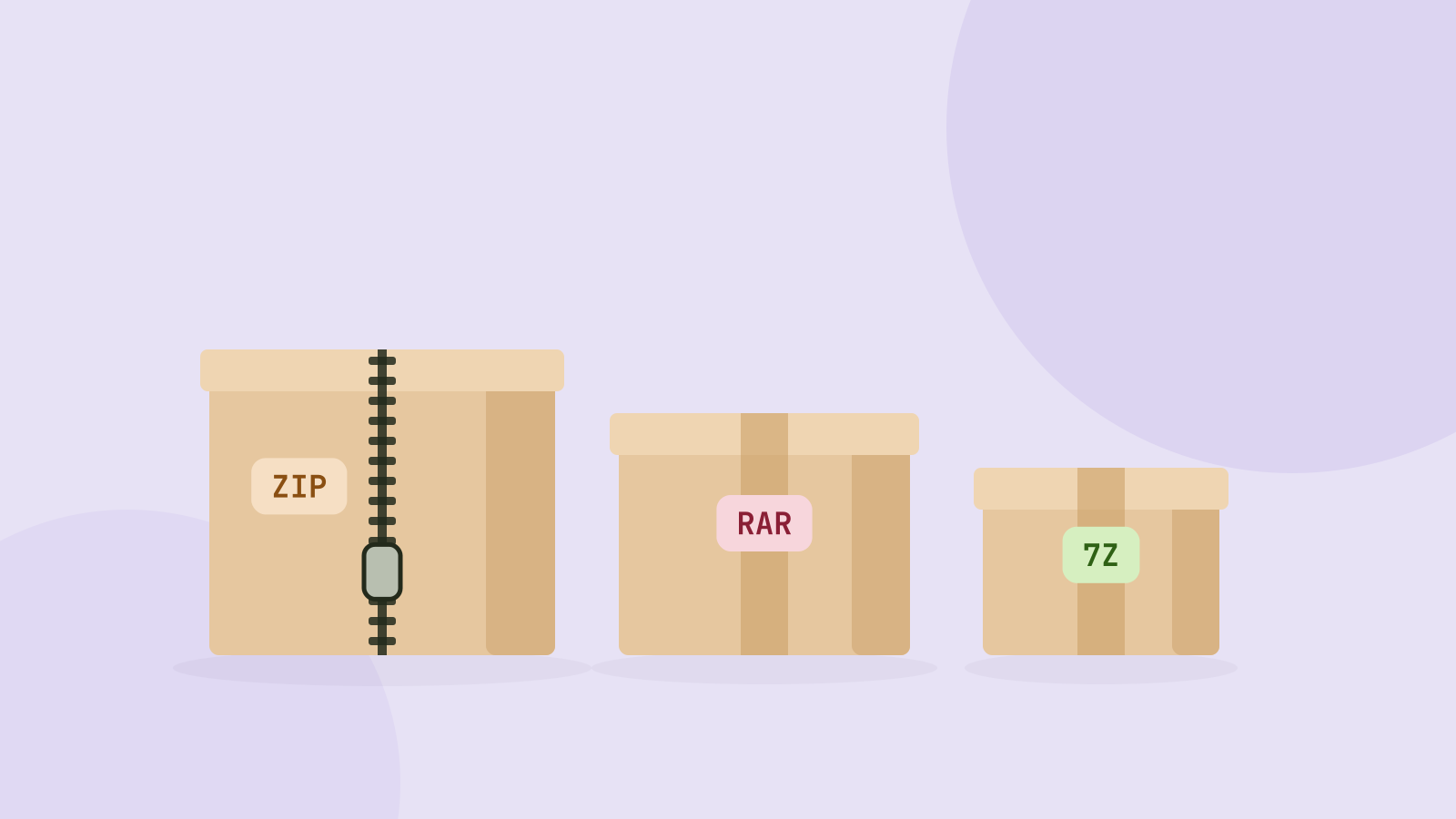
We packed the same folders of photos, videos, documents and data into ZIP, 7z and RAR archives and measured size and speed. The winner depends almost entirely on what is inside.
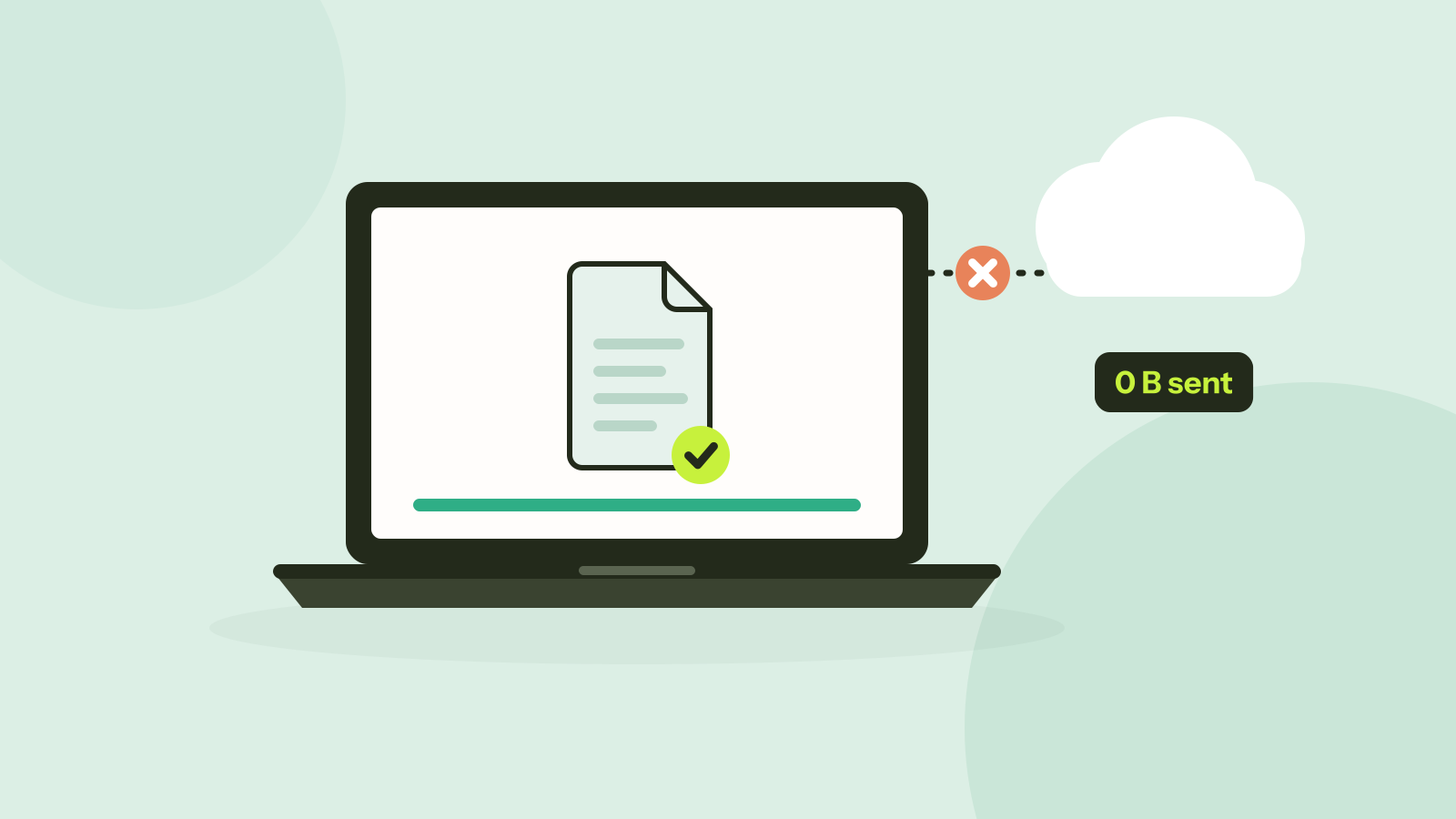
Most online converters send your file to a server; some do the work in your browser instead. Here is how to tell which kind a site is in about a minute, and what every request looked like when we converted a photo on our own site.
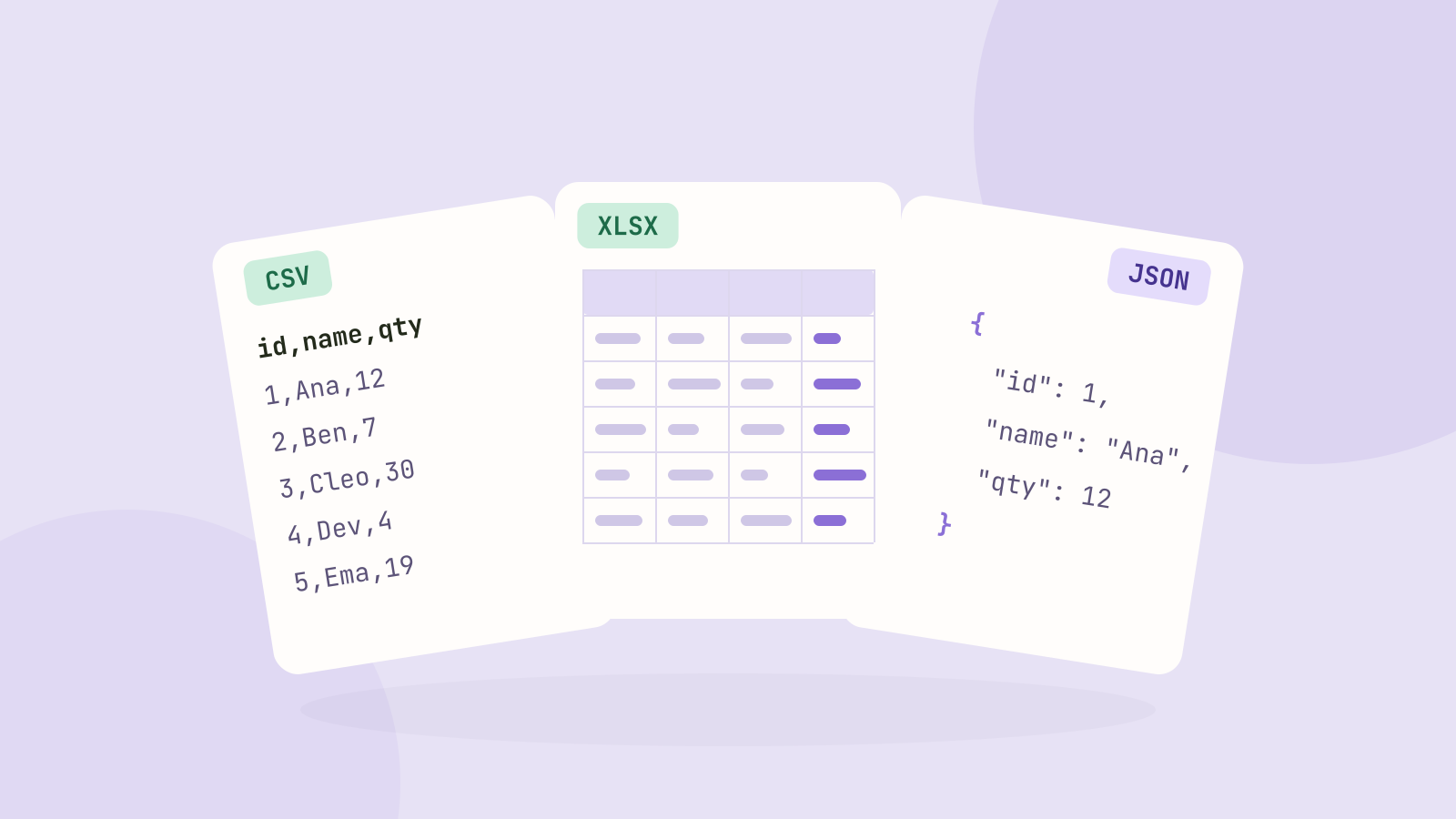
We saved the same 100,000 row table as CSV, as an Excel workbook and as JSON, then compared the sizes, how fast each one reads in code, and what goes wrong with dates, leading zeros and long numbers.
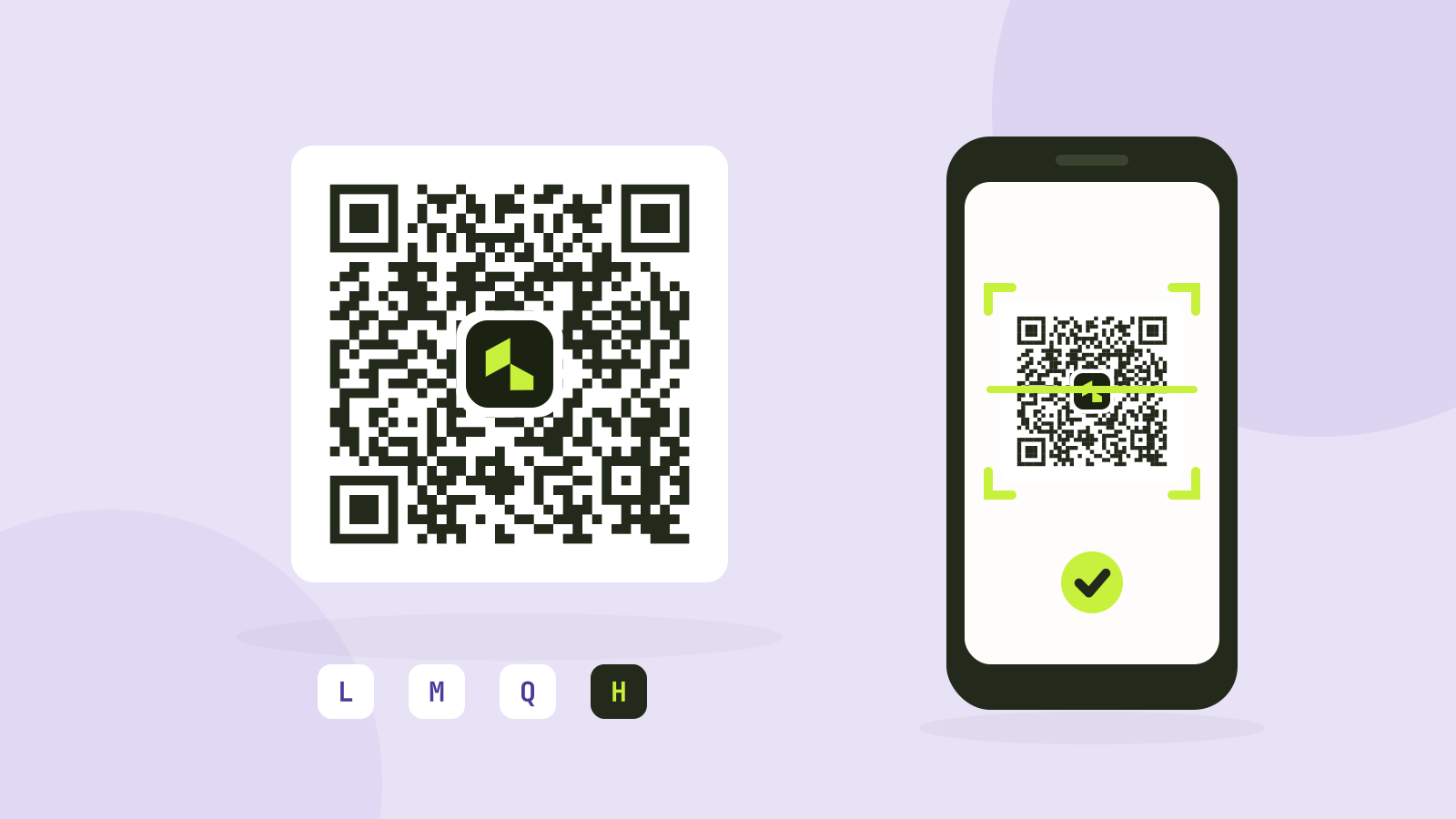
Higher error correction lets a QR code survive damage, but it also makes the code denser. We generated codes for four common kinds of content at every level and covered them bit by bit until they stopped scanning.
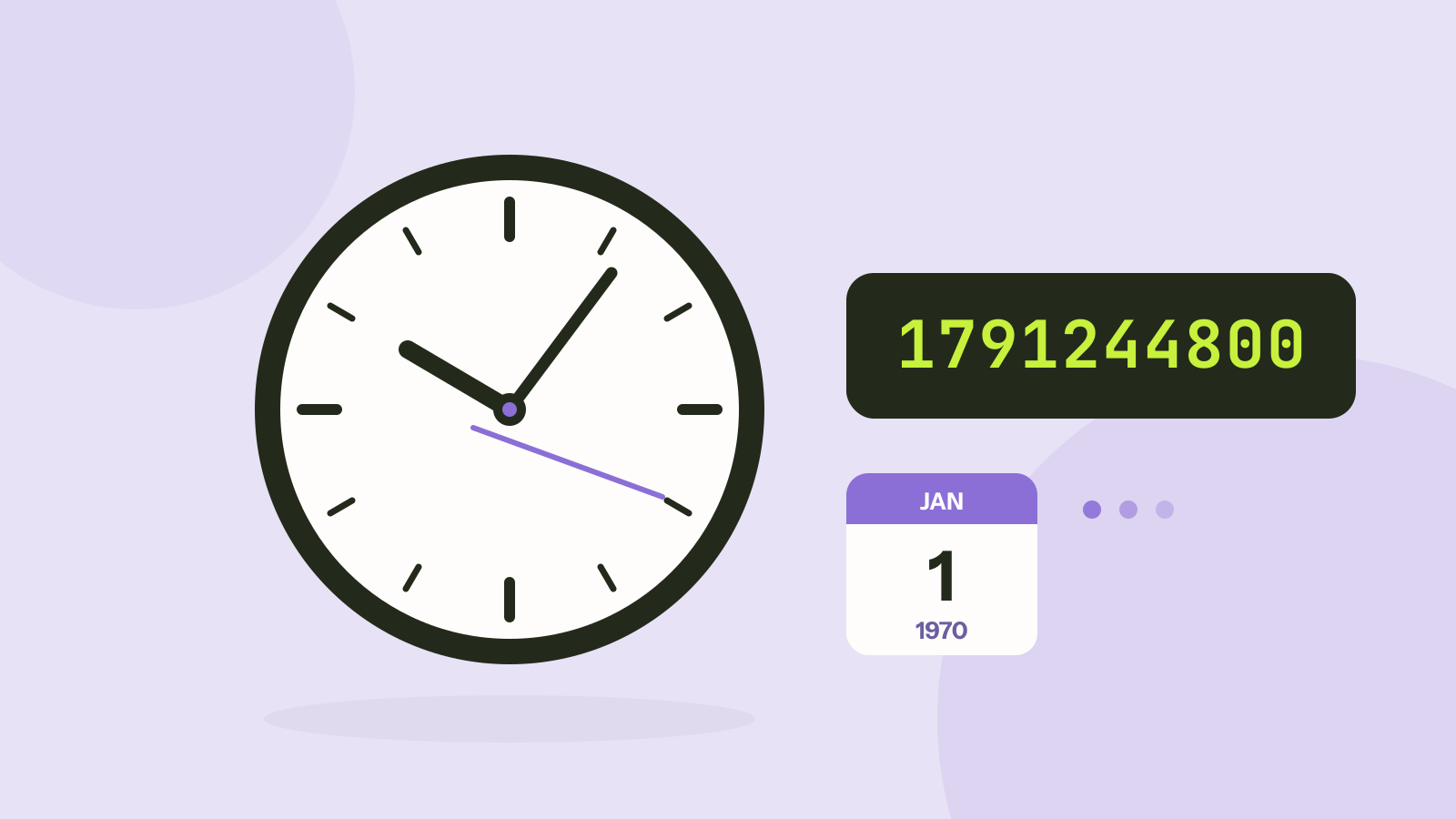
A Unix timestamp is just a count of seconds, yet it causes a steady stream of bugs. What it counts, how to tell seconds from milliseconds at a glance, what happens with time zones and leap seconds, and why 2038 matters.